

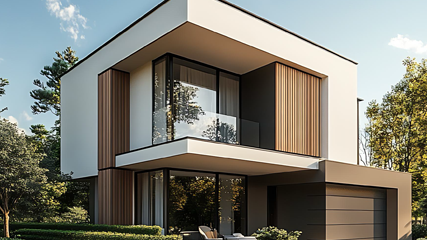






You step onto your newly built deck only to realize the neighbor’s second-story window has a direct sightline to your lounge chair. That moment sparks the search for modern privacy screens. Not the bulky, light-blocking walls of the past, but designs that marry clean lines with real-world durability. Today’s solutions do more than hide you from view. They block wind, filter sunlight, and define outdoor rooms without trapping heat or moisture.
Over 70% of homeowners in a recent Houzz landscape survey listed privacy as a top priority when renovating outdoor spaces. The shift toward aluminum, WPC, and architectural wood systems reflects a demand for materials that look sharp on day one and stay that way for a decade or longer. The wrong choice, though, can double your long-term costs and triple your maintenance hours. This article breaks down the four materials that dominate the market, shows how WPC stacks up against traditional options, and gives you a field-ready installation sequence plus project-level selection criteria.
What Are Modern Privacy Screens? (Definition & Key Features)
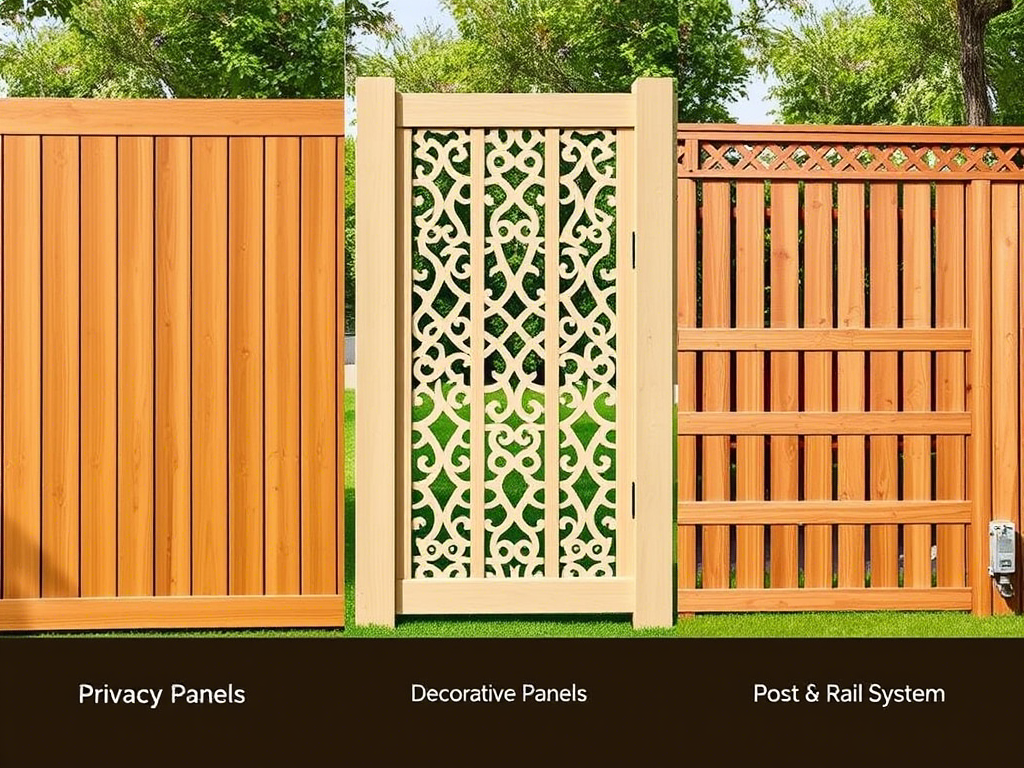
A modern privacy screen is a freestanding or attached panel system designed to create visual separation outdoors while maintaining airflow and a contemporary aesthetic. Unlike solid fences, these screens often use slatted, perforated, or modular elements to strike a balance between concealment and openness. Architects and landscape designers now specify them for decks, rooftops, pool enclosures, and commercial patios.
Four features separate a genuinely modern screen from a basic fence extension:
- Material diversity — Aluminum, wood-plastic composite (WPC), thermally modified timber, and bamboo each bring distinct visual and performance trade-offs.
- Modular installation — Most systems use pre-fabricated panels with hidden brackets or U-channels, cutting on-site labor to a few hours.
- UV resistance built into the core — Rather than relying on surface paint, advanced products embed UV stabilizers or co-extruded protective layers.
- Low-structure maintenance — Top-tier screens need nothing more than an annual water wash; no sanding, staining, or rust removal.
These features matter because outdoor screens face constant direct exposure. A panel that fades from black to chalky gray in two summers destroys the architectural intent. The material comparison that follows anchors on precisely these performance metrics.
Top 4 Materials for Modern Privacy Screens – A Side-by-Side Comparison
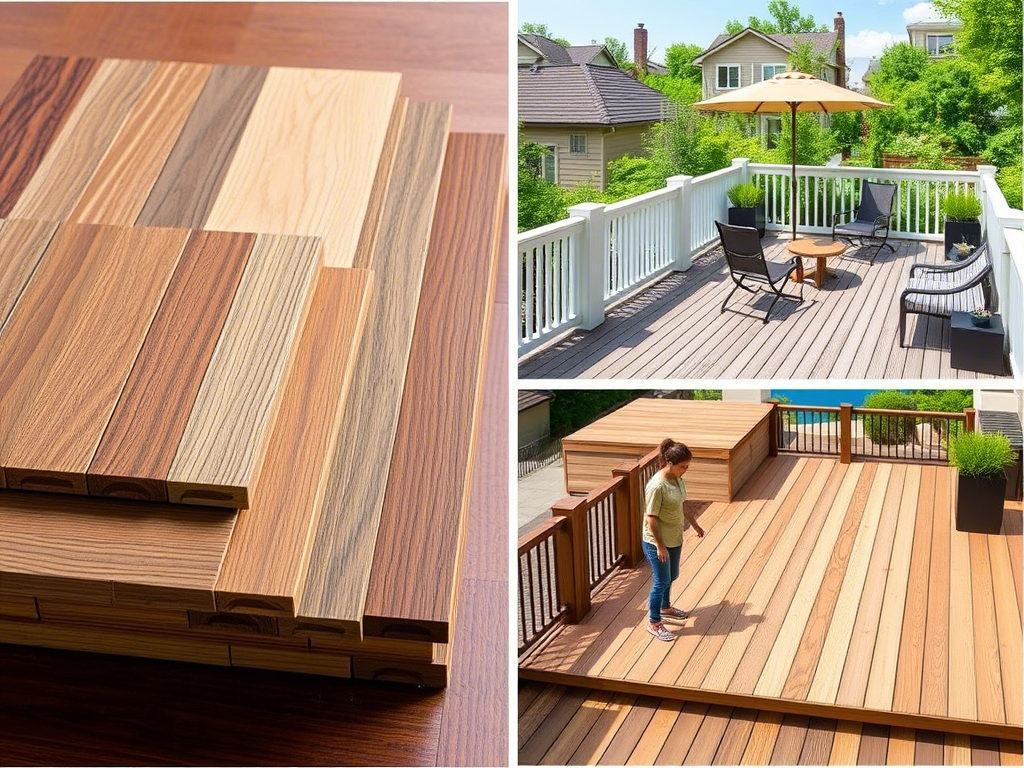
Aluminum, wood, WPC, and bamboo each claim a share of the market. Their real-world behavior under sun, rain, and wind differs sharply. The table below distills the numbers that affect your budget and your weekends for the next ten years.
| Material | Initial Cost ($/sqft) | Expected Lifespan (Years) | Maintenance Frequency | UV Resistance (ΔE after 3 years) | Installation Difficulty (1-5) |
|---|---|---|---|---|---|
| Aluminum (powder-coated) | $18 – $35 | 20 – 30+ | Every 6 months (wash + inspect coating) | ΔE < 2 (excellent) | 3 (requires precise anchoring) |
| Hardwood (Ipe / Teak) | $12 – $22 | 15 – 25 (with diligent sealing) | Every 2 years (sand + seal) | ΔE 8 – 15 (grays without oil) | 4 (heavy, needs pre-drilling) |
| WPC (Co-extrusion) | $10 – $18 | 15 – 20 | Annual wash only | ΔE < 5 (ASA cap layer) | 2 (lightweight, clip systems) |
| Bamboo (treated) | $8 – $14 | 5 – 10 | Every year (seal + check for splitting) | ΔE > 12 (rapid color shift) | 3 (rolls or panels, but fragile edges) |
Aluminum wins on longevity and color stability, but its upfront cost is nearly double that of co-extrusion WPC for the same coverage area. Hardwood looks premium yet demands an aggressive maintenance schedule — skip one sealing cycle and the surface begins to check and cup. WPC hits a sweet spot for residential decks and mid-scale commercial projects: low initial investment, negligible upkeep, and colors that do not demand re-painting because the hue lives inside a fused ASA layer, not on top of it. Bamboo appeals to budget-driven projects but rarely delivers a “modern” silhouette beyond two seasons without visible degradation.
Why WPC (Wood-Plastic Composite) Is Gaining Popularity in Modern Designs
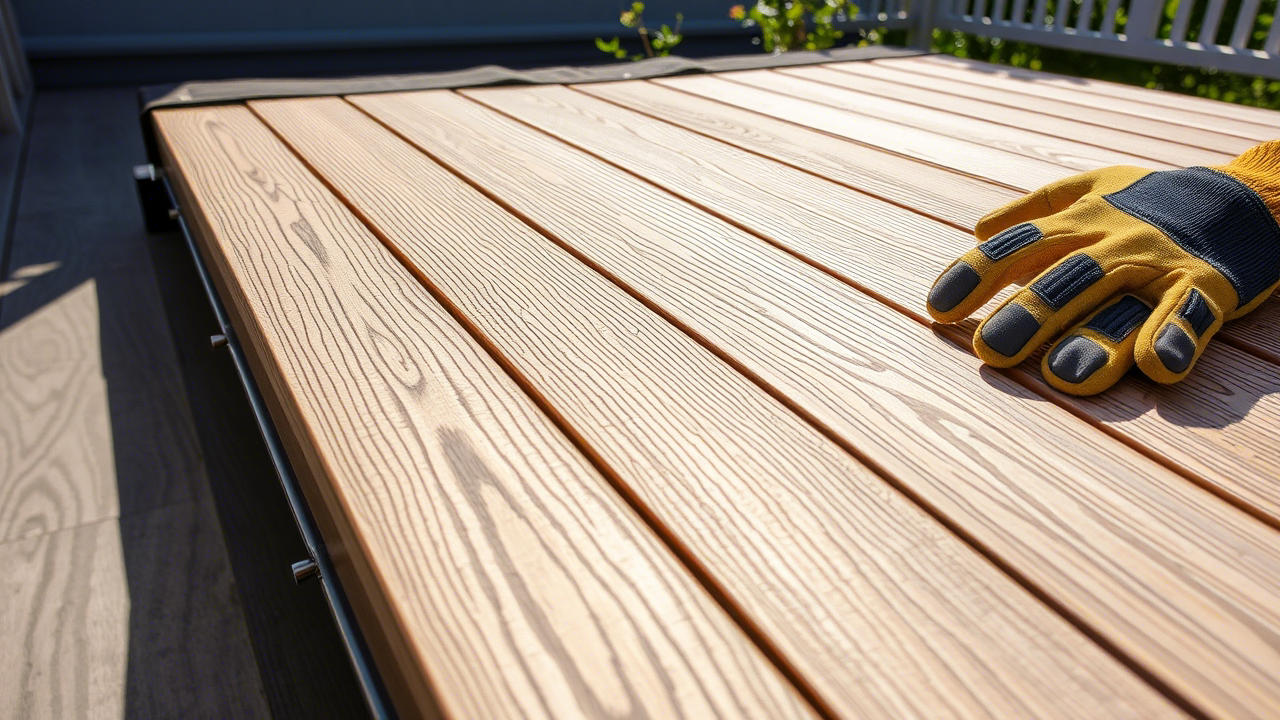
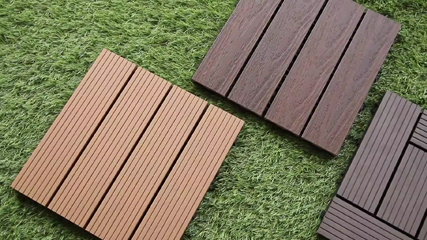
Ten years ago, WPC meant a brownish board that looked like plastic trying to imitate wood. The technology has flipped completely. Co-extrusion now bonds a high-performance outer shell — often made from ASA (acrylonitrile styrene acrylate) — to a dense wood-fiber core. The result is a board that feels like timber under hand but behaves like an engineered polymer under UV and moisture attack.
The key metric is color fastness. Standard first-generation WPC without a protective cap bleaches visibly within 18 months, often recording ΔE values above 10 on the ASTM D2244 scale. A co-extruded WPC panel with an ASA skin typically stays under ΔE 5 after three years of full-sun exposure. For context, a ΔE of 3 is the threshold where the human eye begins to notice a difference. This is the difference between a screen that ages gracefully and one that gets ripped out before the mortgage is paid off.
Moisture behavior is equally telling. Wood absorbs water, swells, and creates cracks that trap dirt. Hollow aluminum can amplify rain noise and transmit temperature extremes. A solid or multi-channel WPC profile dampens sound better than hollow metal and resists water uptake below 1.5% by weight in 24-hour submersion tests. Installation crews also appreciate the lighter weight — a typical 6-foot WPC panel weighs roughly 30% less than a comparable hardwood panel, so one person can often set panels without a helper. For homeowners looking at deck-enclosure systems, the WPC fence and screen panels on the market today integrate hidden fasteners that leave zero visible screw heads, a detail that immediately elevates the finished look.

Step-by-Step Installation Guide for WPC Privacy Screens
A WPC screen lives and dies by its substructure. The boards themselves are dimensionally stable, but the posts and footings carry all the wind load. A rushed base leads to leaning panels within a single storm season. The following sequence assumes a typical deck-mounted or ground-level installation using 6 ft by 5 ft panels and aluminum or galvanized steel posts.
- Mark post locations and check for underground utilities (30 minutes). Use spray paint and a 48-inch level to map a straight line. Call 811 before digging if you are sinking posts into soil.
- Dig or core-drill footings (1–2 hours). For ground installations, footings must extend below the frost line — typically 30 to 48 inches in northern U.S. zones. Deck-mounted posts use surface-mount brackets with through-bolts and backing plates.
- Set posts and verify plumb in both axes (45 minutes). Pour concrete around ground posts and brace them with 2x4s. Wait 24 hours before attaching panels if using wet concrete. Mechanical anchors on concrete slabs are ready immediately.
- Attach horizontal rails or U-channels to posts (40 minutes). Most WPC systems use aluminum channels that allow the panel to slide in from above. Leave a 3/8-inch gap at each end for thermal movement.
- Slide WPC panels into the channels and secure with clips (1 hour). Start from one end and work sequentially. Use a rubber mallet to seat panels without marring the surface. Every panel gets at least two stainless-steel clips per rail.
- Check spacing and alignment with a string line (15 minutes). Sight down the top edge. A deviation of more than 1/4 inch over an 8-foot run will catch light and look wavy.
- Trim edges and install end-caps or post covers (45 minutes). Exposed cut ends must be sealed with a matching touch-up kit to prevent moisture ingress into the core.
- Pressure-wash the completed screen at low PSI (20 minutes). This removes construction dust and reveals any scratches that need attention before the site is handed over.
Total on-site time for a two-person crew: roughly 6 to 8 hours for a 30-linear-foot screen, excluding concrete cure time. DIYers working alone should budget a full weekend. The biggest time-waster is adjusting posts after panels have already been mounted, so double-check vertical alignment at step 3.
3 Common Installation Mistakes and How to Avoid Them
Even premium panels fail early when the installation overlooks basic physics. The three errors below show up repeatedly in warranty claims and site inspection reports.
| Mistake | Consequence | Solution |
|---|---|---|
| No drainage gap between panel bottom and ground/deck surface | Water wicks into the core, causing end swelling, mold growth, and freeze-thaw splitting | Maintain a minimum 1-inch clearance below every panel. Use adjustable pedestals or shims during layout. |
| Anchors set less than 2.5 inches into concrete or without epoxy in hollow block | Posts loosen under repetitive wind gusts; screens collapse in gusts above 50 mph | Drill to a depth of 3 inches minimum and use epoxy-set anchors for block walls. On decks, through-bolt with 4-inch square backing plates. |
| Panels tightly butted together without expansion gaps | Summer heat causes buckling; panels bow outward and pop out of channels | Insert 3/16-inch spacer clips between every panel and 3/8-inch gaps at post interfaces. Follow the manufacturer’s thermal gap chart for your local temperature range. |
In coastal regions, add a fourth precaution: replace standard steel fasteners with 316-grade stainless steel. Salt spray eats through zinc-plated hardware in under two years, and the resulting rust streaks stain the screen face permanently.
Commercial & Project-Level Considerations (For Architects & Contractors)
Specifying screens for a restaurant patio, a multi-family amenity deck, or a hotel pool deck introduces requirements that rarely surface in residential work. Fire rating, wind load certification, and lifecycle cost per square foot become non-negotiable line items.
The decision matrix below structures the conversation when you face three or more product submittals. It uses a simple weighted score (1–5) based on project priorities, but the raw performance data behind each cell should be verified against the manufacturer’s ICC-ES report or independent test data.
| Criterion | Aluminum (0.08" extruded) | Co-extrusion WPC | Hardwood |
|---|---|---|---|
| Budget (< $15/sqft installed) | 2 | 5 | 3 |
| Fire Rating (Class A required) | 5 | 3 (check ESR report) | 1 (untreated) |
| Wind Load (100+ mph zone) | 5 | 4 (requires closer post spacing) | 4 |
| Annual Maintenance (target < 2 visits/yr) | 4 | 5 | 2 |
| Design Flexibility (custom colors/patterns) | 5 | 4 (growing palette) | 3 |
For hospitality projects where noise reduction matters — think courtyard dining next to a busy street — solid or multi-channel WPC profiles with a mass of at least 2.5 lbs per linear foot consistently outperform hollow aluminum in sound transmission loss tests. Request the STC (Sound Transmission Class) rating from suppliers; a difference of 3 points is audibly noticeable. On tall screens exceeding 8 feet, always involve a structural engineer to calculate the moment at the post base. Adding a 3-foot-wide panel with 50% open area can reduce wind load by 40% compared to a solid panel, potentially saving thousands in footing concrete. For large-scale commercial cladding and screen projects, co-extrusion WPC cladding systems deliver the same visual language across entire building elevations while simplifying the supply chain.
Maintenance Tips to Keep Your Privacy Screens Looking New for Years
Low maintenance does not mean zero maintenance. Each material has a minimum care routine that determines whether it hits the upper end of its lifespan or falls short. The list below prioritizes actions that prevent irreversible surface damage.
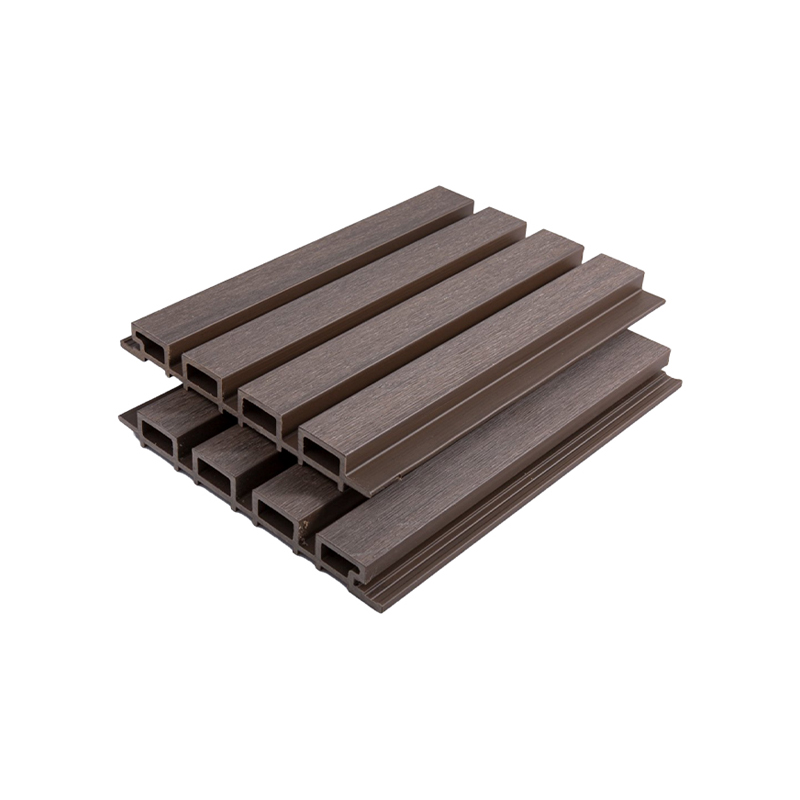
- Co-extrusion WPC: Wash with a garden hose and soft-bristle brush twice a year. For pollen or bird droppings, use a mix of warm water and mild dish soap. Never use a pressure washer above 1,500 PSI — it can etch the ASA cap layer. Inspect end-cap seals every fall.
- Aluminum: Clean with a pH-neutral automotive shampoo every six months. Touch up any scratches in the powder coat immediately with a manufacturer-matched paint pen. Check that weep holes at the bottom of hollow extrusions are clear so condensation drains.
- Hardwood: Apply a penetrating UV-inhibitor oil every two years without exception. If the wood has already grayed, sand with 80-grit paper before recoating. Tighten all face screws annually; natural expansion cycles loosen them over time.
- Bamboo: Seal with a marine-grade spar varnish every year. Look for longitudinal splits at the nodes and fill them with exterior-rated wood filler before moisture penetrates the inner fibers.
A simple calendar reminder — one Saturday in April and one in October — covers the entire year for most WPC and aluminum screens. Wood and bamboo demand triple the time, which is why commercial property managers have been migrating toward composite systems when maintenance labor runs $45 to $75 per hour in major metros.